Sickle Cell Trait: Why Testing Matters Before You Start a Family
Sickle cell trait means you carry one copy of the sickle haemoglobin gene alongside one normal copy, written as genotype AS. It is not a mild version of sickle cell disease. Most people with the trait have completely normal blood counts, feel no symptoms, and never need treatment for it.
The reason the trait still matters is genetic, not medical. About 1 in 4 Ghanaians carries it, and most do not know their status. When two carriers have children together, each pregnancy carries a real chance of sickle cell disease, a serious lifelong condition. A genotype test is the only way to find out where you stand.
What sickle cell trait is
Haemoglobin is the protein in red blood cells that carries oxygen. Everyone inherits one haemoglobin gene from each parent. Most people inherit two normal copies, written HbA, giving the genotype AA. Someone with sickle cell trait inherited one normal copy and one sickle copy (HbS), giving the genotype AS.
Sickle cell disease is different: it means inheriting a sickle-type gene from both parents, most commonly written SS, though other combinations such as SC (one sickle gene, one haemoglobin C gene) also cause disease. Disease genotypes cause the lifelong condition, with pain crises, anaemia, and organ complications. Trait genotypes do not.
- AA: no sickle gene. The most common result.
- AS: sickle cell trait. One sickle gene, one normal gene. Usually no symptoms.
- SS: sickle cell disease (also called sickle cell anaemia). Two sickle genes.
- SC: a form of sickle cell disease. One sickle gene, one haemoglobin C gene.
- AC: haemoglobin C trait. Generally harmless on its own, but relevant for family planning if a partner has AS or SC.
Trait is not a lesser form of the disease
AS and SS are two different outcomes of the same gene, not two points on the same severity scale. A person with the trait does not have a mild case of sickle cell disease and will not develop it later in life. The genotype is set at conception and does not change.
How the sickle cell test works
Two different tests are used, and they answer different questions. A sickling test (solubility test) gives a fast yes-or-no answer to whether any sickle haemoglobin is present. Haemoglobin electrophoresis or HPLC (high-performance liquid chromatography) identifies the exact genotype, distinguishing trait from disease.
This distinction matters in practice. A sickling test comes back positive for both AS and SS, because both contain HbS. It cannot tell a carrier with no disease apart from someone who has sickle cell disease. Anyone with a positive sickling test needs haemoglobin electrophoresis or HPLC to confirm the actual genotype before drawing any conclusions.
- Sickling test (solubility test): quick screen, detects the presence of HbS, cannot distinguish AS from SS on its own.
- Haemoglobin electrophoresis: separates haemoglobin types by electrical charge, gives a specific genotype (AA, AS, SS, SC, and others).
- HPLC: a more precise laboratory method, increasingly the standard for genotype confirmation.
- Newborn screening: where available, identifies genotype in infancy, before symptoms of disease would appear.
Ask for the confirmed genotype, not just a screen
If you have only ever had a sickling test, you know that you carry at least one sickle gene, but not whether you have trait or disease. Before making any family-planning decision, request haemoglobin electrophoresis or HPLC so your result states your genotype directly: AA, AS, SS, SC, or another combination.
Why it matters before you start a family
When both partners carry the sickle cell trait, each pregnancy carries a 25% chance of sickle cell disease, a 50% chance the child also carries the trait, and a 25% chance the child inherits no sickle gene at all. These odds apply separately to every pregnancy, not just the first.
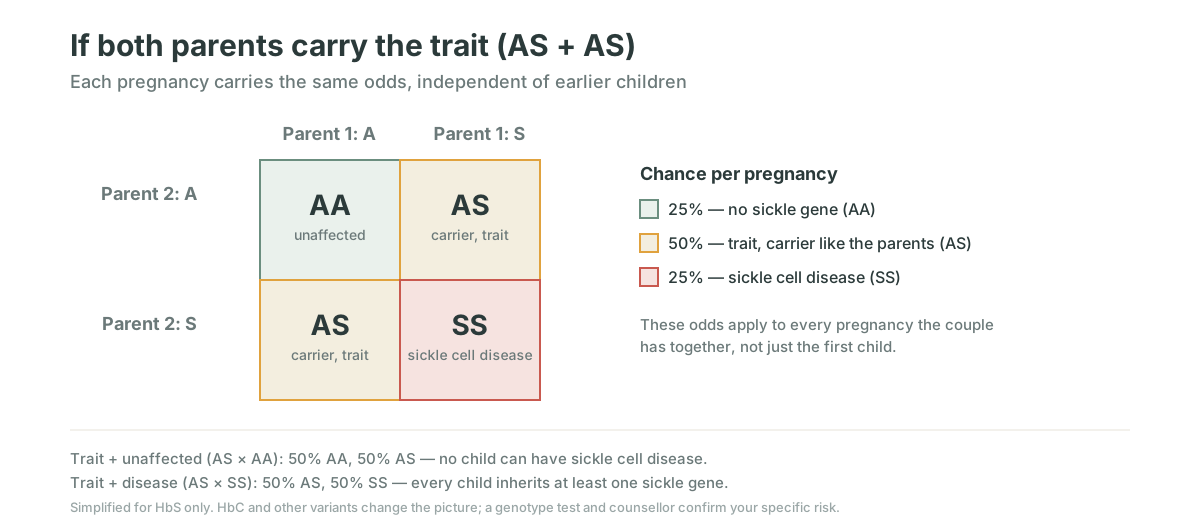
- AS + AA (one carrier, one unaffected partner): 50% AA, 50% AS. No child can have sickle cell disease from this pairing alone.
- AS + AS (both carriers): 25% AA, 50% AS, 25% SS. A 1 in 4 chance of disease with every pregnancy.
- AS + SS (one carrier, one with disease): 50% AS, 50% SS. Every child inherits at least one sickle gene; half will have the disease.
- SS + SS (both with disease): all children inherit SS.
Knowing this before pregnancy, ideally before marriage, changes what a couple can do with the information. It does not mean two carriers cannot have children together. It means they can make an informed choice, understand the real odds rather than assumptions, arrange early prenatal testing if they choose to proceed, and connect with a genetic counsellor or haematologist who manages sickle cell disease if a pregnancy is affected.
Full blood count explained: how a Sickle Cell Screen fits into your standard blood work
Symptoms and risks for sickle cell trait carriers
Sickle cell trait is usually silent. Most carriers have normal blood counts, normal physical performance, and a normal lifespan, with no symptoms directly caused by the trait itself.
A small number of situations carry extra risk for people with the trait, mostly involving extreme physical stress on the body:
- Extreme exertion combined with dehydration and heat, such as military training or endurance sport in hot conditions, has been linked to rare cases of exertional collapse. Staying hydrated and pacing intense exercise reduces this risk.
- High altitude, including unpressurised air travel or mountain exercise, can occasionally trigger splenic discomfort in carriers. This is uncommon but worth mentioning to a doctor before high-altitude activity.
- Blood in the urine (haematuria) that is painless can occur in some carriers due to changes in the kidney's inner tissue, and should always be checked rather than assumed harmless.
- During pregnancy, women with the trait have a slightly higher risk of urinary tract infections and should mention their genotype to their antenatal care team.
- A very rare kidney cancer, renal medullary carcinoma, occurs almost exclusively in people with sickle cell trait, though it remains extremely uncommon. It is not a reason for alarm, but persistent flank pain or blood in the urine deserves prompt medical assessment.
None of this means avoiding sport or normal life
The overwhelming majority of people with sickle cell trait play sport, serve in physically demanding jobs, and travel by air without any problem. The precautions above are about being aware, not about limiting a normal, active life.
Ghana and West Africa context: the malaria connection
Sickle cell trait is common across West Africa because it offers partial natural protection against severe malaria, a survival advantage that kept the gene at high frequency over generations even though two copies cause a serious disease.
Carrying one sickle gene makes red blood cells a less hospitable environment for the malaria parasite, which historically reduced deaths from severe malaria in carriers. That same evolutionary trade-off is why sickle cell trait remains so common in Ghana and much of sub-Saharan Africa today, alongside relatively higher rates of sickle cell disease compared to regions where malaria was never widespread.
Awareness of personal genotype status is still limited. Studies of antenatal women in Ghana have found that many carriers only learn their status during pregnancy, or not at all, because premarital and pre-pregnancy genotype testing is not yet routine nationwide. Ghana Health Service and several hospitals actively encourage genotype testing before marriage, and newborn screening programmes are expanding, but testing is not yet universal.
This gap is exactly why testing your own genotype, and encouraging a partner to do the same, is worth doing deliberately rather than waiting for a routine that assumes it will happen automatically.
How sickle cell disease affects iron and ferritin results differently to iron deficiency
What to do with your result
- If you have never been tested, get a genotype test. A sickling test alone is not enough; ask specifically for haemoglobin electrophoresis or HPLC to get a confirmed genotype (AA, AS, SS, SC, or other).
- Share your result with any serious partner before starting a family. This is a private, sensitive conversation, but an informed one.
- If you are both AS, or one of you has SS or SC, see a genetic counsellor or a doctor experienced in sickle cell disease before or early in pregnancy. They can explain the specific odds for your combination and the options available.
- If you are pregnant and have not been tested, ask your antenatal care provider for a genotype test. It is a standard, low-cost addition to routine antenatal blood work.
- If your result is AS, know that you personally do not need treatment for the trait. Mention it to any doctor before major surgery, extreme endurance events, or high-altitude travel, since anaesthetists and event organisers may take simple extra precautions.
- If your result is SS or SC, seek ongoing care from a haematologist experienced in sickle cell disease. Management has improved significantly and a well-managed care plan makes a substantial difference to quality of life.
See the Sickle Cell Screen and full Blood Health panel BetterHealth Africa offers
View BetterHealth Africa test pricing
Frequently asked questions
What is sickle cell trait?+
Sickle cell trait means carrying one copy of the sickle haemoglobin gene (HbS) alongside one normal copy, giving the genotype AS. It is different from sickle cell disease, which requires two sickle-type genes. Most people with the trait have normal blood counts and no symptoms.
Is sickle cell trait the same as sickle cell disease?+
No. Sickle cell trait (AS) and sickle cell disease (most commonly SS, also SC) are different genetic outcomes, not different severities of the same condition. Trait carriers generally live full, symptom-free lives. Sickle cell disease is a serious, lifelong condition that needs ongoing medical care.
What test should I ask for to check my genotype?+
Ask for haemoglobin electrophoresis or HPLC (high-performance liquid chromatography). A sickling test (solubility test) only confirms the presence of sickle haemoglobin and cannot distinguish trait from disease on its own; electrophoresis or HPLC gives the specific genotype.
What happens if both partners have sickle cell trait?+
If both partners are AS, each pregnancy independently carries a 25% chance of sickle cell disease (SS), a 50% chance the child also has the trait (AS), and a 25% chance the child has no sickle gene (AA). These odds apply to every pregnancy the couple has, not only the first.
Why is sickle cell trait so common in Ghana?+
The sickle gene offers partial protection against severe malaria, which kept it common across West Africa over many generations despite the disease risk it carries when inherited from both parents. Roughly 1 in 4 Ghanaians carries the trait, and most do not know their status without testing.
Does sickle cell trait cause any symptoms?+
Most people with sickle cell trait have no symptoms at all. Rare exceptions can occur under extreme physical stress, such as intense exercise combined with dehydration and heat, high altitude, or during pregnancy (slightly higher urinary tract infection risk). These situations are uncommon and manageable with normal precautions and medical awareness of your status.
This article is general health education, not medical advice. It is not a substitute for diagnosis, genetic counselling, or treatment by a qualified healthcare professional. Sickle cell inheritance and its management depend on your specific confirmed genotype and family circumstances. Always discuss your blood test results and family-planning questions with your doctor or a qualified genetic counsellor.