Preventive Health Screening in Ghana: What to Test and How Often
Preventive health screening means testing for conditions before you feel sick, while they are still easy to manage or reverse. In Ghana, where many of the most common serious conditions develop silently for years, a short list of routine tests can change the course of your health.
Why screening matters in Ghana
Non-communicable diseases such as high blood pressure, diabetes, kidney disease and heart disease now account for a large and growing share of illness and early death in Ghana. Roughly one in three Ghanaian adults has high blood pressure, and many do not know it, because it causes no symptoms until it has already damaged the heart, kidneys or eyes.
Most of these conditions are treatable. The trouble is that they are usually found too late, once symptoms force a hospital visit. Screening changes the timing. It finds the problem while there is still time to act.
Core screening tests for adults
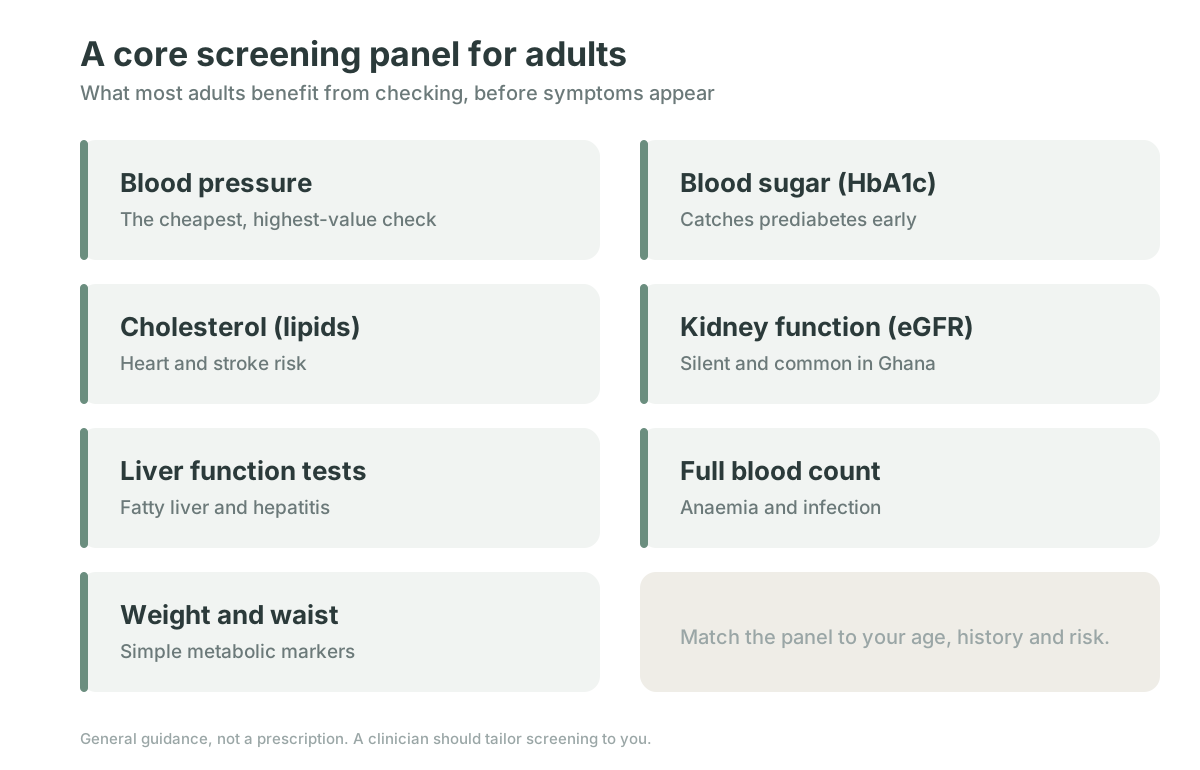
A sensible baseline screen for most adults covers the body systems where silent disease is most common. The essentials are:
- Blood pressure: the cheapest, highest-value check for heart and stroke risk.
- Blood sugar (fasting glucose and HbA1c): to catch prediabetes and diabetes early.
- Lipid profile (cholesterol and triglycerides): your heart and stroke risk.
- Kidney function (creatinine and eGFR): kidney disease is common and silent in Ghana.
- Liver function tests: to spot fatty liver and hepatitis-related damage.
- Full blood count: to detect anaemia, infection and other blood disorders.
- Body weight and waist measurement: simple markers of metabolic risk.
Match the panel to your risk
Family history, age, weight and existing symptoms all change what you should test. Someone with a strong family history of diabetes or kidney disease should screen earlier and more often. Use this list as a starting point for a conversation with a clinician, not a fixed prescription.
How often should you screen?
As a general guide, healthy adults benefit from a baseline screen in their twenties and a repeat every one to three years, screening more often with age or risk. Blood pressure is worth checking at least once a year for every adult.
- Ages 18 to 39 with no risk factors: a baseline screen, then every two to three years.
- Ages 40 and above: a fuller screen every one to two years.
- Anyone with a family history of diabetes, hypertension, kidney or heart disease: screen earlier and more often, guided by a doctor.
What early detection can catch
Early detection is the whole point. Routine tests can catch prediabetes before it turns into diabetes, high blood pressure before it strains the heart, kidney decline before it becomes failure, and fatty liver before it scars. Every one of these is easier and cheaper to manage when you find it early.
Read next: what your HbA1c blood sugar result means
Screening on a budget
Comprehensive screening has long been priced out of reach for most Ghanaians, costing thousands of cedis at private hospitals. BetterHealth Africa exists to change that, with structured screening plans and home sample collection that make routine testing affordable rather than a privilege.
See the 127 biomarkers BetterHealth tests
Frequently asked questions
What is the difference between screening and a diagnosis?+
Screening tests look for early signs of a condition in people who feel well. A screening result that is out of range does not by itself mean you have a disease. It means a clinician should confirm and interpret it, sometimes with further tests.
Do I need to fast before a health screening?+
Some tests, such as fasting glucose and a full lipid profile, are most accurate after an overnight fast of 8 to 12 hours. Others, including HbA1c and blood pressure, do not require fasting. Your provider will tell you which tests in your panel need fasting.
How much does health screening cost in Ghana?+
At private hospitals a comprehensive screen can run into thousands of cedis, which is why many people skip it. BetterHealth Africa offers structured plans that make routine screening affordable, with home or in-lab collection.
This article is general health education, not medical advice. A qualified healthcare professional should tailor screening recommendations to you based on your age, history and risk factors.