High Blood Pressure in Ghana: Why It's Called the Silent Killer
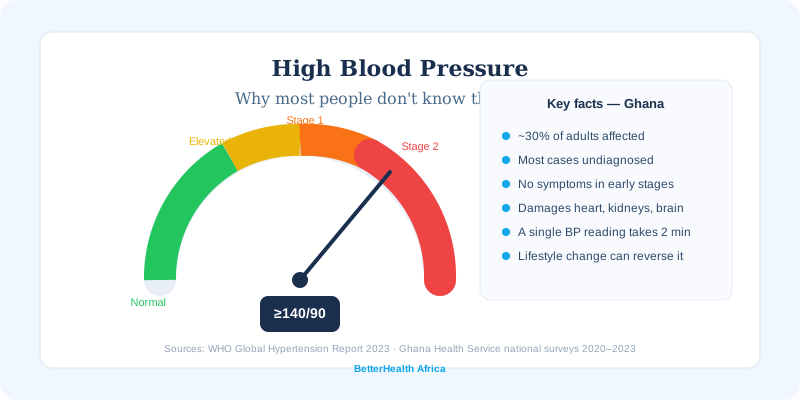
Around one in three Ghanaian adults has high blood pressure, according to Ghana Health Service surveys. Most of them have no idea. Hypertension rarely causes pain, dizziness, or any other warning sign in its early stages. You can carry it for years while it quietly stresses your heart, narrows your arteries, and damages your kidneys. That is exactly why it earned the name 'the silent killer.'
A simple blood pressure reading takes about two minutes. It is one of the most useful health checks you can get, and it is the only way to know whether your arteries are under pressure before that pressure causes lasting harm.
What hypertension actually means
Hypertension is defined as a resting blood pressure of 140/90 mmHg or above, and it damages organs even before any symptom appears. When your heart beats, it pushes blood through your arteries. Blood pressure is the force of that push against the artery walls. The top number (systolic) measures the pressure during a heartbeat. The bottom number (diastolic) measures it at rest between beats.
A healthy resting blood pressure is below 120/80 mmHg. Anything at or above 140/90 mmHg on two separate readings is classified as hypertension by WHO and the major cardiac societies. In between those two figures sit 'elevated' blood pressure and stage 1 hypertension, both of which carry real cardiovascular risk even though neither is technically a hypertension diagnosis at stage 1 under older definitions.
One raised reading is not a diagnosis
Blood pressure shifts throughout the day. Stress, caffeine, physical activity, and even the act of sitting in a clinic can push it temporarily higher. A diagnosis of hypertension is based on the average of at least two readings taken on two separate occasions. If your reading is high at a pharmacy or clinic, ask for a repeat at rest.
Why hypertension causes no symptoms, until it does
Most people with hypertension feel completely normal, which is why it is called the silent killer. The arteries are designed to flex under pressure. In the early years of hypertension, the walls of the arteries thicken and stiffen to cope with the extra load. This adaptation works well enough that you feel nothing, but it comes at a cost: thickened artery walls are more prone to atherosclerosis (plaque build-up), and a stiffer artery is one the heart has to push harder against.
The idea that high blood pressure causes headaches or a flushed face is persistent but mostly wrong. Studies consistently show that people with untreated hypertension report headaches at the same rate as people with normal blood pressure. The association is strongest only at very high readings (systolic above 180 mmHg), which is already a medical emergency. For everything below that, the absence of a headache is not reassurance.
When symptoms do appear: warning signs not to ignore
A sudden severe headache, blurred vision, chest pain, or difficulty breathing can signal a hypertensive crisis and needs emergency assessment. These are symptoms of end-organ damage, not of routine hypertension. If you experience them, do not wait and see.
- Sudden severe headache, unlike any you have had before
- Blurred or double vision, or floaters suddenly appearing in your field of view
- Chest pain or tightness, especially if it spreads to the arm or jaw
- Shortness of breath at rest or with very little activity
- Nausea or vomiting with a severe headache
- Confusion, difficulty speaking, or weakness on one side of the body
- Nosebleeds that are prolonged and hard to stop (uncommon, but can occur in a hypertensive crisis)
These symptoms indicate that blood pressure is extremely high and organs are actively being harmed. A reading above 180/120 mmHg with any of the above is a hypertensive crisis and requires emergency care immediately.
Stage 1 vs stage 2 hypertension: what the stages mean
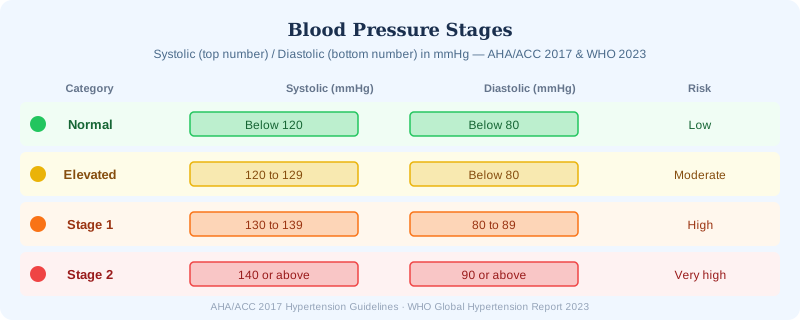
Stage 1 hypertension is a systolic reading of 130 to 139 mmHg or diastolic 80 to 89 mmHg; stage 2 is 140/90 mmHg or higher. The staging matters because treatment differs: stage 1 is often managed with lifestyle change alone for people at low cardiovascular risk, while stage 2 almost always warrants medication alongside lifestyle modification.
- Normal: below 120/80 mmHg
- Elevated: systolic 120 to 129, diastolic below 80 mmHg
- Stage 1 hypertension: systolic 130 to 139 or diastolic 80 to 89 mmHg
- Stage 2 hypertension: systolic 140 or above, or diastolic 90 or above
- Hypertensive crisis: systolic above 180 or diastolic above 120. Seek emergency care immediately
Many Ghanaian health facilities still use the older WHO/ISH threshold of 140/90 mmHg for diagnosis, which technically means stage 1 readings go unaddressed. Whether stage 1 is treated or monitored, it is worth knowing about and taking seriously.
How hypertension damages organs quietly
Untreated hypertension thickens the walls of arteries, strains the heart muscle, and accelerates kidney damage over years. It does this steadily and without announcement. The main targets are the heart, the kidneys, the brain, and the blood vessels at the back of the eye.
- Heart: the muscle thickens to push against higher resistance, eventually weakening and enlarging (hypertensive heart disease). The coronary arteries narrow faster, raising the risk of a heart attack.
- Kidneys: the tiny blood vessels (glomeruli) that filter your blood sustain damage over time, reducing kidney function. Hypertension is one of the leading causes of chronic kidney disease in Ghana.
- Brain: high blood pressure is the single biggest risk factor for stroke. It also accelerates the cognitive decline associated with vascular dementia.
- Eyes: the small blood vessels in the retina can thicken, leak, or burst (hypertensive retinopathy), causing blurred vision and, if severe, blindness.
How to lower blood pressure: lifestyle first
Losing even 5 to 10 kg, reducing salt to under 5 g a day, and taking 30 minutes of moderate exercise five days a week each lower blood pressure by 5 to 10 mmHg. These are not trivial reductions. For someone at 145/92, getting two of those changes right could bring the reading to below 140/90 without medication.
- Reduce salt: aim for under 5 g (roughly one teaspoon) per day. Processed foods, stock cubes, and preserved fish are the biggest contributors in a typical Ghanaian diet.
- Move more: 30 minutes of brisk walking, swimming, or cycling five days a week lowers systolic pressure by about 5 to 8 mmHg over time.
- Lose excess weight: every kilogram of body weight you lose typically lowers systolic blood pressure by about 1 mmHg.
- Limit alcohol: more than two drinks a day consistently raises blood pressure. Cutting to one drink or less a day has a measurable effect.
- Eat more potassium: bananas, plantain, tomatoes, beans, and leafy vegetables help counteract the effect of sodium on blood pressure.
- Stop smoking: smoking is not a direct cause of chronic hypertension, but each cigarette causes a transient spike and compounds cardiovascular risk sharply when combined with high blood pressure.
- Manage stress: chronic stress keeps the nervous system in a state that sustains higher blood pressure. Sleep, social connection, and deliberate rest all matter.
Medication is often needed alongside these changes, especially at stage 2 or above. The most commonly used first-line drugs in Ghana are ACE inhibitors, calcium channel blockers, and thiazide diuretics. Your doctor will decide on the right combination based on your readings, age, and any co-existing conditions.
Ghana-specific context: why so many cases go undetected
Hypertension prevalence in Ghanaian adults has been measured at around 28 to 32% in national surveys, but most cases are undiagnosed. A 2020 GHS national survey found that of all Ghanaians with hypertension, fewer than half had ever been told they had it, fewer than a third were on medication, and fewer than one in ten were controlled to a safe level. The gap between who has it and who knows about it is enormous.
Several things drive this in Ghana. Urban dietary shifts toward processed and salty food have pushed average salt intake well above the WHO threshold of 5 g per day. Sedentary desk and driving work is now common in cities. Obesity rates are rising. And routine health checks are not yet a cultural norm: many adults only see a doctor when they are already unwell, by which point hypertension may have been silently accumulating for a decade.
The fix is straightforward: a blood pressure cuff and two minutes. Every adult in Ghana over the age of 30 should know their blood pressure number.
Lipid profile: high cholesterol alongside high blood pressure sharply raises cardiovascular risk
What to do next
- Get a blood pressure reading today. Most pharmacies in Accra and Kumasi will do this free. It takes two minutes.
- If the reading is 130/80 or above, have it repeated on a second day before drawing any conclusions.
- If two readings are above 140/90, see a doctor who can assess your overall cardiovascular risk and decide whether medication is needed.
- Book a cardiovascular screening panel to check your blood sugar, cholesterol, and kidney function at the same time. These conditions travel together.
- Start one lifestyle change now: reducing salt, walking more, or cutting alcohol. Small, specific changes compound.
- Set a reminder to recheck in three months. Tracking your own numbers over time is one of the most useful things you can do for your long-term health.
See the cardiovascular screening panel BetterHealth Africa offers
View BetterHealth Africa test pricing
Frequently asked questions
What are the symptoms of hypertension?+
Most people with hypertension have no symptoms at all. That is why it is called the silent killer. The classic signs people expect, such as headache or a flushed face, only occur reliably at very high readings (above 180/120 mmHg), which is a hypertensive crisis. Symptoms like sudden severe headache, blurred vision, chest pain, or difficulty breathing in the setting of high blood pressure need emergency assessment.
What is stage 1 vs stage 2 hypertension?+
Stage 1 hypertension means a systolic reading of 130 to 139 mmHg or diastolic 80 to 89 mmHg. Stage 2 is 140/90 mmHg or higher. Stage 1 may be managed with lifestyle changes alone; stage 2 almost always needs medication alongside those changes.
How can I lower my blood pressure without medication?+
Reducing your daily salt intake to under 5 g (about one teaspoon), exercising for 30 minutes five days a week, losing 5 to 10 kg if you are overweight, eating more potassium-rich foods, limiting alcohol, and managing stress can each lower systolic blood pressure by 5 to 10 mmHg. In combination, these changes are powerful. That said, stage 2 hypertension usually requires medication as well, not instead.
Is high blood pressure common in Ghana?+
Yes. National surveys estimate that 28 to 32% of Ghanaian adults have hypertension. Fewer than half know they have it. Urban dietary patterns with high salt, rising obesity, and limited routine health checks all contribute to high rates and late detection.
Does high blood pressure cause headaches?+
In most people with hypertension, no. Studies show that headache rates are similar in people with high and normal blood pressure at typical readings. The link between headache and blood pressure is mainly seen at very high readings, typically above 180 mmHg systolic. If you regularly experience unexplained severe headaches, get a blood pressure check, but do not assume normal readings rule out hypertension.
How often should I check my blood pressure?+
Adults over 30 without a known blood pressure problem benefit from a check at least once a year. If you have a reading in the elevated range (120 to 129) or stage 1 (130 to 139 / 80 to 89), a check every three to six months is reasonable. People on blood pressure medication typically check more often, guided by their doctor.
This article is general health education, not medical advice. It is not a substitute for diagnosis or treatment by a qualified healthcare professional. If you have concerns about your blood pressure, always discuss them with your doctor.