Hepatitis C Test: Who Should Screen and What the Result Means
Hepatitis C carries a piece of good news most people never hear: unlike hepatitis B, HIV, or diabetes, it can be cured outright with a short course of tablets. The catch is that most people who have it do not know, because there is no vaccine to prevent it and it rarely causes symptoms early on. A simple blood test is how it gets found, and knowing what that test checks, and what a positive result does and does not mean, is worth five minutes of your time.
What the hepatitis C test checks for
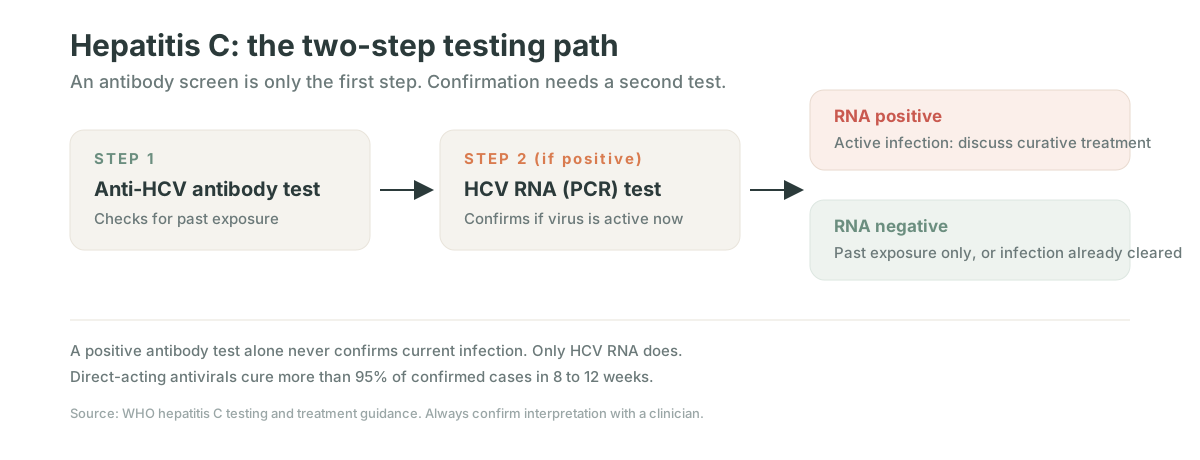
The hepatitis C test starts with an antibody screen called anti-HCV, and a positive result always needs a second, confirmatory test before it means anything.
Anti-HCV looks for antibodies your immune system makes after it has been exposed to the hepatitis C virus. A positive anti-HCV means you have been exposed at some point, but it cannot tell you whether the virus is still active in your body right now, whether your immune system already cleared it on its own, or whether you are looking at a false positive. That distinction matters enough that a positive antibody screen is always followed by a second test, HCV RNA, which looks for the virus itself rather than your antibody response to it.
Why hepatitis C often goes undetected for years
Most people with hepatitis C have no symptoms for years, sometimes decades, while the virus quietly damages the liver.
When symptoms do eventually show up, they tend to be vague: fatigue, mild abdominal discomfort, or nausea, easy to blame on stress or a busy week. By the time more obvious signs appear, such as jaundice or fluid swelling in the abdomen, the virus may have already caused years of unnoticed liver scarring. That long silent stretch is exactly why hepatitis C is usually caught through deliberate screening in someone considered at risk, not because a patient walked in with symptoms.
Reading your result: antibody-positive vs RNA-positive vs cleared
An anti-HCV positive result only means past exposure; only a positive HCV RNA test confirms the virus is still active in your blood.
- Anti-HCV negative: no evidence of past exposure to hepatitis C. If a recent high-risk exposure is suspected, your doctor may recommend repeat testing later, since antibodies take some weeks to develop.
- Anti-HCV positive, HCV RNA positive: you have current, active hepatitis C infection. This is the result that leads to a discussion about curative treatment.
- Anti-HCV positive, HCV RNA negative: you were exposed to the virus in the past, and your body cleared it on its own, or a previous treatment cured it. No active infection is present.
- HCV RNA also tells your doctor the viral load, and sometimes the genotype, both of which help guide the specific antiviral regimen chosen.
A positive antibody test is a starting point, not a diagnosis
A meaningful share of people who test anti-HCV positive turn out to have already cleared the infection on their own within the first six months, with a negative RNA test to prove it. Do not assume the worst from an antibody screen alone. Ask for the confirmatory RNA test before drawing any conclusions.
Who should get screened for hepatitis C
Anyone who received a blood transfusion before their country's blood supply was screened for hepatitis C, or who has shared injection equipment, should ask for a hepatitis C test.
- Anyone who received a blood transfusion, blood product, or organ transplant before routine hepatitis C screening was in place in their country.
- Anyone who has ever shared needles, syringes, or other injecting equipment, even once, even long ago.
- People on long-term dialysis, and healthcare workers with a needle-stick or other blood exposure on the job.
- People living with HIV, since the two infections share transmission routes and often overlap.
- Children born to a mother with confirmed hepatitis C, who should be tested after the maternal antibodies they carry at birth have cleared.
- Anyone who has had tattoos, piercings, or medical or dental procedures done with equipment that may not have been properly sterilised.
Hepatitis C vs hepatitis B
Hepatitis C has no vaccine but is curable; hepatitis B has a vaccine but is usually managed rather than cured.
The two are caused by entirely different viruses with different transmission patterns and different tests. Hepatitis B has a highly effective vaccine, given as a birth dose in most African immunisation schedules, but a chronic infection is generally managed for life rather than cured. Hepatitis C has no vaccine at all, so screening and safe practices are the only prevention available, but a confirmed infection can be cured outright with a short course of modern antiviral tablets. Neither is more or less serious than the other; they call for different strategies, and someone at risk of one is often worth screening for both.
Hepatitis B test (HBsAg): screening, results, and next steps
Treatment: direct-acting antivirals and the cure
Modern direct-acting antiviral tablets cure more than 95% of people with hepatitis C in as little as 8 to 12 weeks.
This is a genuine turning point in how hepatitis C is treated. Older interferon-based regimens were long, difficult to tolerate, and far less effective. Direct-acting antivirals (DAAs) replaced them with a course of daily tablets, usually well tolerated, that clears the virus from the blood entirely in the great majority of people. The World Health Organization has set a global target of eliminating viral hepatitis as a public health threat by 2030, and wider access to DAAs across Africa is a central part of that plan. A cured infection still means keeping an eye on the liver afterward, especially if scarring built up before diagnosis, which is why liver function tests are usually checked alongside treatment.
Liver function tests (ALT, AST): what the numbers mean
What to do with your result
- If your anti-HCV antibody test is positive, ask for the confirmatory HCV RNA test before assuming you have an active infection.
- If HCV RNA is positive, ask your doctor about starting direct-acting antiviral treatment. Most courses run 8 to 12 weeks with a high chance of cure.
- Ask for liver function tests alongside a confirmed hepatitis C result, since the two are usually assessed together.
- If you fall into any at-risk group above and have never been tested, ask for a hepatitis C test at your next visit, even without symptoms.
- After a cure is confirmed, keep any follow-up liver monitoring your doctor recommends, particularly if the infection went undetected for a long time.
- Avoid sharing needles, razors, or other items that could carry blood, whether or not you have ever tested positive.
See the hepatitis and liver panel BetterHealth Africa tests
View BetterHealth Africa test pricing
Frequently asked questions
Do I need to fast before a hepatitis C test?+
No. A hepatitis C antibody test does not require fasting and can be done at any time of day.
Is hepatitis C curable?+
Yes, in the great majority of cases. Modern direct-acting antiviral tablets cure more than 95% of people with confirmed hepatitis C, usually within 8 to 12 weeks, with once-daily dosing that most people tolerate well.
How is hepatitis C spread?+
Hepatitis C spreads mainly through contact with infected blood, most often through shared needles or injecting equipment, unscreened blood transfusions or organ transplants, or unsterilised medical, dental, or cosmetic equipment. It is spread less often through sex or from mother to child, but both are possible. It is not spread through casual contact, sharing food, or coughing.
What is the difference between hepatitis B and hepatitis C?+
They are different viruses with different tests. Hepatitis B has an effective vaccine and a chronic infection is usually managed rather than cured. Hepatitis C has no vaccine, but a confirmed infection can be cured with a short course of antiviral tablets.
If my antibody test is positive, do I definitely have hepatitis C?+
Not necessarily. A positive anti-HCV antibody test means you were exposed at some point, but only a follow-up HCV RNA test confirms whether the virus is still active. Some people clear the infection on their own and keep a positive antibody result for life with no active virus present.
This article is general health education, not medical advice. It is not a substitute for diagnosis or treatment by a qualified healthcare professional. Hepatitis C test interpretation and treatment decisions depend on your full history and clinical picture. Always discuss your own results and treatment options with your doctor.