Hepatitis B Test (HBsAg): Screening, Results, and Next Steps
Hepatitis B rarely announces itself. Most people who carry the virus feel completely well for years, sometimes decades, while it quietly affects the liver in the background. A simple blood test called HBsAg is how it gets found, and understanding what that one result, and the markers around it, mean can change how seriously you take a screening you might otherwise skip.
What the hepatitis B test (HBsAg) checks for
The hepatitis B test looks for HBsAg, a protein on the surface of the hepatitis B virus, and its presence means the virus is currently in your blood.
HBsAg stands for hepatitis B surface antigen. It is a protein that coats the outside of the hepatitis B virus, and when the virus is circulating in your blood, HBsAg circulates with it in large amounts, which is what the screening test detects. A positive HBsAg means the virus is currently present, whether that turns out to be a brief, resolving infection or a long-term, chronic one. A negative HBsAg generally means the virus is not currently detectable in your blood.
Why hepatitis B is called a silent infection
Most people with hepatitis B have no symptoms for years, which is why WHO calls it a largely silent infection across the region with the highest global burden, sub-Saharan Africa.
Unlike an illness that forces you to seek care, chronic hepatitis B can sit quietly for years while it gradually causes liver inflammation and scarring. By the time symptoms such as fatigue, jaundice, or abdominal swelling appear, meaningful liver damage has often already occurred. That gap between infection and symptoms is exactly why screening, not waiting for symptoms, is how hepatitis B gets caught early enough to manage well.
Reading your result: HBsAg, anti-HBs, anti-HBc explained
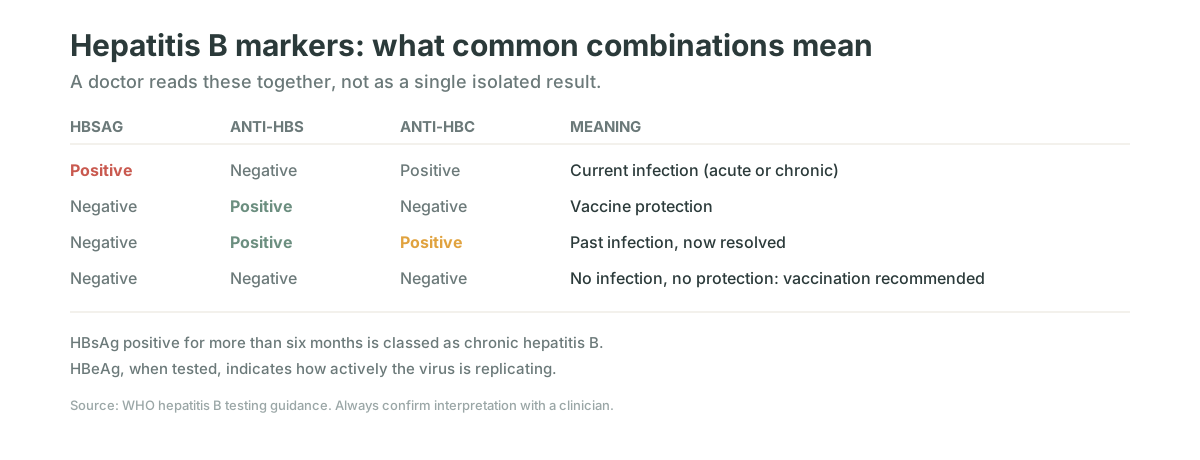
A positive HBsAg means current infection; a positive anti-HBs usually means protection, either from the vaccine or a past infection your body cleared; a positive anti-HBc signals past or ongoing exposure.
- HBsAg positive: the virus is currently present. If this stays positive for more than six months, it is classed as chronic hepatitis B.
- Anti-HBs positive (with HBsAg negative): you have protective antibodies, most often from vaccination, or from a past infection your immune system successfully cleared.
- Anti-HBc positive: you have been exposed to the virus at some point, either in a current infection or a past one. It is usually interpreted alongside HBsAg and anti-HBs, not on its own.
- HBeAg positive: an additional marker sometimes tested in people with confirmed hepatitis B, generally indicating the virus is replicating more actively and is more easily passed to others.
- All markers negative: no current evidence of hepatitis B infection and no antibody protection, meaning vaccination is usually recommended.
A positive HBsAg needs confirmation and context
A single positive HBsAg is usually followed by further testing, including a repeat test after six months to distinguish a brief infection from a chronic one, plus liver function tests and sometimes a viral load test. It is a starting point for a fuller work-up, not a final answer on its own.
Hepatitis B in pregnancy and mother-to-child transmission
Hepatitis B can pass from a mother to her baby around birth, which is why antenatal HBsAg screening and a timely birth-dose vaccine matter.
Mother-to-child transmission, mostly occurring around the time of delivery, is one of the main ways hepatitis B has historically spread in high-prevalence regions, and babies infected this way are far more likely to develop chronic hepatitis B than adults who acquire the infection later in life. This is why antenatal care includes HBsAg screening, and why giving the hepatitis B vaccine to a newborn as close to birth as possible, ideally within 24 hours, is one of the most effective interventions available to break that chain of transmission.
The hepatitis B vaccine
The hepatitis B vaccine, given as a birth dose plus a multi-dose series, is part of the routine immunisation schedule in most African countries and prevents the great majority of new infections.
The vaccine is safe, has been used for decades, and is highly effective at preventing infection when the full schedule is completed. It is included in the routine childhood immunisation programme across most of Africa. Adults who never completed the series, or who are unsure of their vaccination history, can ask for an anti-HBs test to check their protection and can be vaccinated at any age if they are found to be unprotected and not already infected.
If your result is positive: what happens next
A positive result needs specialist follow-up: viral load, liver function tests, and a decision on treatment or monitoring, not panic.
A positive HBsAg is not a reason to panic, and it is not automatically a lifelong diagnosis; some infections, especially in adults, clear on their own within six months. What it does mean is a need for proper follow-up: repeat testing to see whether the infection clears or becomes chronic, liver function tests to check for ongoing liver strain, and, for chronic infection, a discussion with a doctor about viral load testing and whether antiviral treatment is appropriate. Many people with chronic hepatitis B live full, normal lives with the right monitoring and, when needed, treatment.
Liver function tests (ALT, AST): what the numbers mean
What to do with your result
- If HBsAg is positive, arrange follow-up testing rather than treating one result as final. A repeat test at six months distinguishes a resolving infection from a chronic one.
- Ask for liver function tests alongside a positive hepatitis B result, since the two are usually assessed together.
- If you are pregnant, make sure HBsAg screening is part of your antenatal panel, and ask your care team about the newborn birth-dose vaccine.
- If all markers are negative and you are unsure of your vaccination history, ask about starting or completing the hepatitis B vaccine series.
- Household members and sexual partners of someone with confirmed hepatitis B should be tested and, if unprotected, offered vaccination.
- Avoid sharing needles, razors, or other items that could carry blood, and discuss safe practices with a doctor if you or a partner has confirmed hepatitis B.
See the hepatitis and liver panel BetterHealth Africa tests
View BetterHealth Africa test pricing
Frequently asked questions
Do I need to fast before a hepatitis B test?+
No. A hepatitis B (HBsAg) test does not require fasting and can be done at any time of day.
Can hepatitis B be cured?+
A hepatitis B infection acquired in adulthood clears on its own in the majority of otherwise healthy adults. Chronic hepatitis B, more common when infection happens at birth or in early childhood, is usually managed rather than cured, though effective antiviral treatment can suppress the virus and significantly reduce the risk of liver damage. A specialist determines the right approach based on your test results.
Is hepatitis B the same as hepatitis C?+
No. They are caused by different viruses with different transmission patterns and different tests, though both can cause chronic liver disease if untreated. Hepatitis B has an effective vaccine; hepatitis C does not, but it is curable with modern antiviral medication in most people.
How is hepatitis B spread?+
Hepatitis B spreads through contact with infected blood or certain body fluids, including from mother to child around birth, through unprotected sex, and through shared needles or unsterilised medical or cosmetic equipment. It is not spread through casual contact, sharing food, or coughing.
If my HBsAg is negative, am I protected from hepatitis B?+
A negative HBsAg means you do not currently have detectable virus, but it does not by itself confirm you are protected against future infection. Protection is confirmed by a positive anti-HBs result, usually from a completed vaccine series. If you are unsure of your vaccination status, ask your doctor about checking your anti-HBs level.
This article is general health education, not medical advice. It is not a substitute for diagnosis or treatment by a qualified healthcare professional. Hepatitis B test interpretation depends on your full marker profile, history, and clinical picture. Always discuss your own results and treatment options with your doctor.