Full Body Checkup: What's Included and Who Needs One
A full body checkup is one of the most searched health terms in Ghana and across the continent, yet most people who book one could not tell you what they are paying for. The phrase gets used loosely, by hospitals, private labs, and wellness clinics, to describe packages that can differ enormously in what they test, how many samples they take, and what they cost. Some cover seven or eight organ systems in one panel; others cover three and still use the same marketing language.
This guide is a buyer's guide, not a schedule. It walks through what a typical full body checkup panel bundles, how a basic package differs from a comprehensive one, who tends to benefit from booking one, and what it can and cannot catch. For the separate question of how often to screen by age, see the companion guide linked further down.
What a full body checkup is
A full body checkup bundles several blood, urine and sometimes imaging tests into one visit, rather than being a single test itself. There is no single regulated definition of the term. What one clinic calls a full body checkup, another calls a comprehensive health screen, an executive checkup, or an annual wellness panel. The name on the package matters less than the list of tests inside it, which is the part most marketing pages leave vague.
In practice, most packages sold under this name draw a blood sample, a urine sample, a blood pressure reading, and a set of basic measurements such as weight, height and waist circumference, then run the blood and urine through a panel of laboratory tests. The results usually come back as a single report covering every system tested, which is the main appeal: one appointment instead of several separate visits to test blood sugar, cholesterol, kidney function and liver function individually.
What's typically included in a full body checkup panel
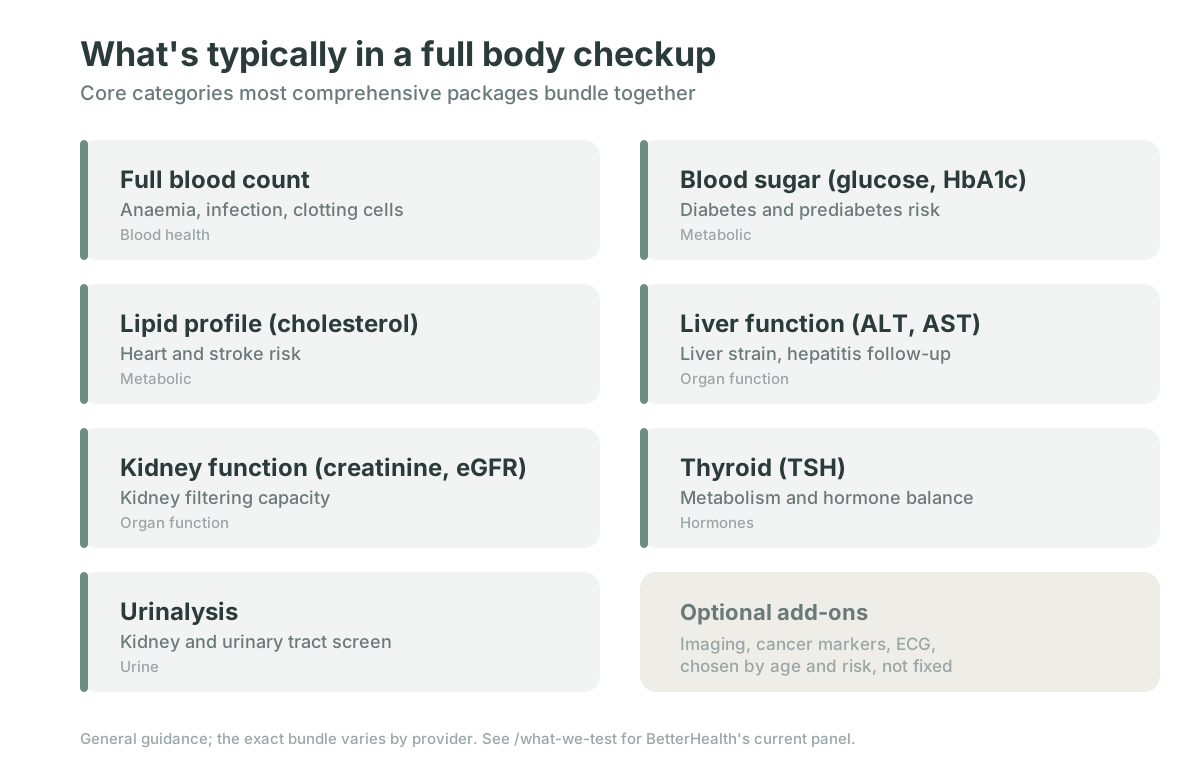
Most comprehensive checkup packages group their tests into six to eight categories: blood count, blood sugar, lipids, liver function, kidney function, thyroid, and urinalysis, sometimes with imaging or cancer markers added by age. Each category screens a different organ system, so the value of the bundle comes from covering several systems at once rather than any single test being especially advanced.
- Full blood count: red cells, white cells and platelets, screening for anaemia, infection and clotting problems.
- Blood sugar (fasting glucose and often HbA1c): screening for diabetes and prediabetes.
- Lipid profile: total cholesterol, LDL, HDL and triglycerides, screening for cardiovascular risk.
- Liver function tests: enzymes such as ALT and AST, screening for liver strain from fatty liver, hepatitis or alcohol use.
- Kidney function tests: creatinine and eGFR, screening for reduced kidney filtering capacity.
- Thyroid function (TSH): screening for an underactive or overactive thyroid.
- Urinalysis: a quick screen for kidney and urinary tract problems, sugar in the urine, and signs of infection.
Each of these categories deserves more depth than a single bundled panel can give, which is why we have dedicated guides for the tests people ask about most. The full blood count guide walks through every figure on that report, and the cholesterol guide does the same for a lipid profile, in each case explaining the normal ranges and what a result outside them tends to mean.
Full blood count explained: what every number on your FBC report means
Lipid profile (cholesterol) test: how to read your results
Beyond the core seven, many packages marketed as premium or executive checkups add imaging, most often a chest X-ray or an abdominal ultrasound, plus tests aimed at a specific age or sex, such as a PSA test for men over 50 or a pap smear for women. These additions are not part of every full body checkup and are usually where the price jumps the most, so it is worth asking exactly which imaging and add-on tests a package includes before you book it.
Basic vs comprehensive: how packages differ
A basic checkup usually covers blood count, blood sugar and blood pressure, while a comprehensive package adds a lipid profile, liver and kidney panels, thyroid testing and urinalysis. The gap between the two tiers is not marketing spin. A basic package can miss a rising cholesterol level or an early kidney problem, because it never tests for either.
Read the test list, not the package name
Two providers can both sell a package called a full body checkup with very different contents. Before you book, ask for the exact list of tests included, not just the category names. A liver panel with only one enzyme tested is not the same as a full liver function panel, and a blood sugar check that only measures fasting glucose will miss what an HbA1c would catch.
Some providers also sell a middle tier that adds one or two extra tests, commonly thyroid function or a basic urinalysis, without going as far as a full comprehensive panel. There is no industry-wide standard for what counts as basic, standard or comprehensive, so treat these labels as a starting point for a conversation rather than a guarantee of contents. Two packages priced identically can still differ in what they test, which is why comparing the test list matters more than comparing the package name.
Who should consider a full body checkup, and when
Most healthy adults benefit from a baseline comprehensive checkup by their late twenties or thirties, then a repeat every one to three years depending on age, family history and risk. This is general guidance, not a fixed schedule, and it should be read alongside the more detailed age-based cadence in our preventive screening guide.
- Adults with no symptoms and no strong family history often start with a baseline comprehensive checkup in their twenties or thirties, then repeat every one to three years.
- Adults over 40, or anyone with a family history of diabetes, hypertension, heart disease or kidney disease, often benefit from checking more frequently, guided by a clinician.
- Anyone starting a new job, applying for insurance, planning a pregnancy, or wanting a baseline of their own numbers is a reasonable candidate for a one-off comprehensive checkup, regardless of age.
- People already being monitored for a known condition usually follow the specific testing schedule their doctor has set, rather than a generic checkup package.
Read next: preventive health screening in Ghana, what to test and how often by age
What a full body checkup does and doesn't catch
A full body checkup catches many silent metabolic and organ-function problems early, but it is not a substitute for targeted cancer screening such as a pap smear, PSA test, or colonoscopy. The tests in a standard panel are built to flag common, slow-building conditions: prediabetes, high cholesterol, early kidney decline, fatty liver, thyroid imbalance, and anaemia. These are exactly the conditions that tend to cause no symptoms until they are advanced, which is why routine screening matters more than waiting to feel unwell. Across Ghana and much of sub-Saharan Africa, this group of conditions, rather than any single dramatic illness, accounts for a large and growing share of preventable disease burden.
What a standard panel does not do is screen specifically for most cancers, mental health conditions, most infectious diseases beyond what a basic blood count might hint at, or genetic conditions. A normal full body checkup result is reassuring for the systems it tested, but it does not rule out every possible health problem, and it should not replace age- and sex-specific screening such as mammograms, pap smears, prostate checks, or targeted infectious disease tests where those are indicated.
A normal result is not a guarantee
Some conditions, including many cancers in their early stages, will not show up on a standard checkup panel at all. A full body checkup lowers your risk of missing common silent conditions; it does not eliminate the value of symptom-specific care or the targeted screening tests your doctor may separately recommend based on your age, sex and history.
How to choose between a basic and comprehensive panel
Choosing between a basic and comprehensive panel comes down to your age, family history, symptoms and budget, not a single fixed rule. A younger adult with no symptoms, no family history of chronic disease, and a tight budget may reasonably start with a basic panel and add a comprehensive one every few years. Someone over 40, or with a parent or sibling who has diabetes, heart disease or kidney disease, generally gets more value from the comprehensive tier, since the additional tests target exactly the conditions that run in families.
- List your risk factors first: age, family history, weight, smoking, and any symptoms, however minor.
- Match the panel to those risk factors rather than choosing the cheapest or most expensive option by default.
- Ask for the exact test list before booking, not just the package name.
- Check whether fasting is required, since a comprehensive panel almost always needs one.
- Keep your results. A single checkup is a snapshot; comparing results over successive checkups shows you the trend, which usually matters more than any one number.
We keep specific prices out of this guide because they change and vary by provider and package tier. The current BetterHealth Africa pricing and panel options are listed on our pricing page, along with the exact biomarkers included in each package, so you can compare contents rather than guess from a package name.
See current full body checkup pricing and packages
How to prepare for a full body checkup
Most comprehensive checkup packages require an 8 to 12 hour fast, because the bundle usually includes fasting glucose and a lipid profile, both of which food can temporarily distort. Water is fine during a fast. Scheduling the appointment for the morning, after an overnight fast, is the easiest way to meet this requirement without much disruption to your day.
- Fast for 8 to 12 hours if your package includes fasting glucose or a lipid profile. Water is fine; avoid coffee, tea with milk or sugar, and food.
- Stay hydrated the day before, since dehydration can affect some kidney and blood test readings.
- Avoid unusually heavy exercise or a very high-protein meal the day before, as both can temporarily shift some results.
- Bring a list of any medications, supplements or herbal remedies you take, since some affect liver, kidney and lipid results.
- Wear something that makes a blood pressure reading and blood draw easy, such as a short-sleeved or loose-sleeved top.
Frequently asked questions
What is included in a full body checkup?+
Most comprehensive full body checkup packages include a full blood count, fasting blood sugar and often HbA1c, a lipid profile, liver function tests, kidney function tests, thyroid function, and a urinalysis, alongside a blood pressure reading and basic measurements. Premium packages sometimes add imaging or age-specific tests such as a PSA test or pap smear. The exact list varies by provider, so always check before booking.
How often should you get a full body checkup?+
As a general guide, healthy adults with no symptoms often benefit from a baseline comprehensive checkup in their twenties or thirties, then a repeat every one to three years, checking more often with age or added risk factors. This is general guidance, not a fixed rule. Anyone with a family history of chronic disease, or an existing condition, should follow the schedule their own clinician recommends instead.
Do you need to fast before a full body checkup?+
Usually, yes, for 8 to 12 hours, because most comprehensive packages include fasting glucose and a lipid profile, and both are less accurate without fasting. Water is fine during the fast. Some individual tests in a checkup, such as HbA1c and a urinalysis, do not require fasting on their own, but the whole package is typically scheduled around the fasting requirement of the strictest test in it.
Is a full body checkup the same as an annual physical?+
Not quite. An annual physical often centres on a doctor's examination, a conversation about symptoms and history, and a blood pressure check, with blood tests added at the doctor's discretion. A full body checkup is usually a pre-set laboratory panel bought as a package, sometimes without a doctor's consultation included. Many people benefit from both: a physical exam plus a comprehensive blood and urine panel.
Does age or sex change what's recommended in a checkup?+
Yes. Younger adults with no symptoms often need fewer tests than older adults, since the risk of conditions like diabetes, high cholesterol and kidney disease rises with age. Sex-specific additions matter too: women may need a pap smear or breast exam, men may need a PSA test after age 50, and both may need different reference ranges interpreted for the same test, such as haemoglobin or creatinine. A clinician can tailor the panel to your age and sex rather than relying on a generic package.
Can a full body checkup detect cancer?+
A standard full body checkup is not designed to screen for most cancers directly. Some results, such as an unexplained drop in blood count or a persistently abnormal liver or kidney reading, can prompt a doctor to investigate further, but the panel itself is not a cancer screening tool. Targeted tests such as a pap smear, PSA test, mammogram or colonoscopy remain the appropriate screening methods for specific cancers, based on your age and sex.
This article is general health education, not medical advice. It is not a substitute for diagnosis or treatment by a qualified healthcare professional. The right checkup package, testing frequency and follow-up for you depend on your age, history and risk factors, and should be discussed with a doctor or registered clinician.