Fatty Liver Disease: Symptoms, Causes, Tests, and Reversal
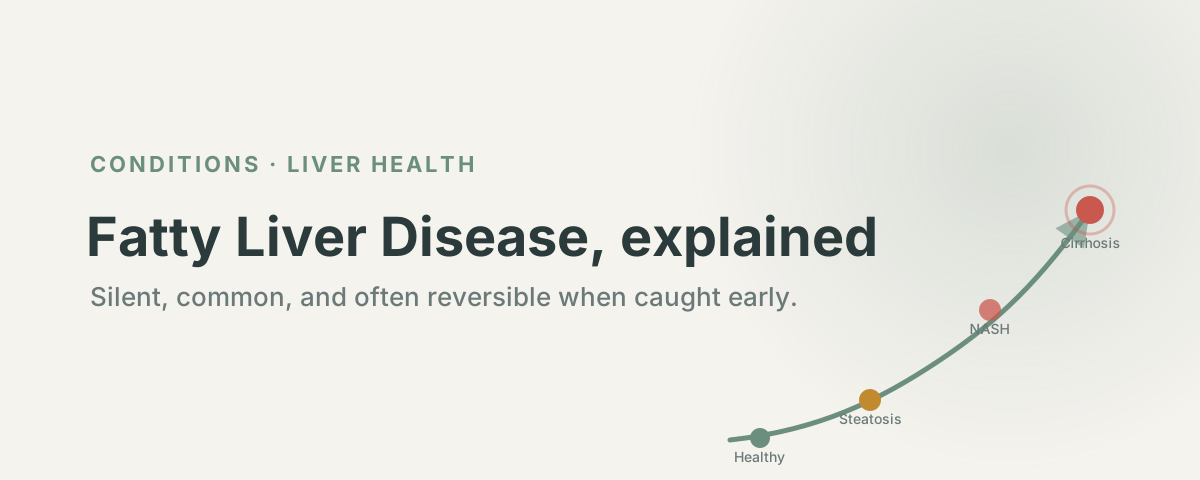
Fatty liver disease is one of the most common liver conditions in the world, and most people who have it feel nothing unusual. The diagnosis typically comes as a surprise, turned up on a blood test taken for something else entirely. That cuts two ways: the condition can be caught before serious damage sets in, but a result that arrives with no warning signs is easy to set aside.
What fatty liver disease is
Fatty liver disease develops when fat accumulates inside liver cells. The liver processes everything you eat and drink, including dietary fats and sugars. When more fat arrives than the liver can process and export, it begins to collect within the liver cells themselves.
There are two main types. Non-alcoholic fatty liver disease (NAFLD, now also called MASLD in newer clinical guidelines) develops in people who drink little or no alcohol, and is tied to weight, blood sugar, and metabolic health. Alcohol-related liver disease (ALD) develops in people who drink heavily over time. Both types produce the same pattern of fat accumulation in the liver cells, but the cause and the treatment path differ. This article focuses on the non-alcoholic type, which accounts for the large majority of cases.
How common is it?
Roughly 1 in 4 adults worldwide has fatty liver disease, according to a global analysis of 86 studies published in Hepatology. In Ghana and urban West Africa, where rates of overweight, high blood sugar, and sedentary work are rising, fatty liver disease is becoming more common in people who would not think of themselves as having a liver problem.
Fatty liver disease symptoms
Most people have no symptoms at all. Fatty liver disease is silent in the same way high blood pressure is silent: nothing hurts, nothing feels different, and yet the liver is accumulating changes that matter over time. The most common way it is found is on a routine blood test where a liver enzyme comes back higher than the reference range.
When symptoms do appear, they tend to be vague and easy to explain away:
- A dull ache or sense of fullness in the upper right side of the abdomen, where the liver sits
- Fatigue not explained by poor sleep
- Mild nausea, particularly after heavy or fatty meals
These symptoms tend to appear at a more advanced stage, when the liver is inflamed. That stage is called non-alcoholic steatohepatitis (NASH). At the simpler fat-accumulation stage, steatosis, there is usually nothing to feel.
Fatty liver symptoms in females
The symptoms are the same for women and men. What differs is the pattern of risk over a lifetime. Non-alcoholic fatty liver disease is somewhat more common in men during working age, but the gap narrows after menopause, when the protective effect of oestrogen on fat metabolism is reduced. Some studies suggest that women who develop NAFLD are more likely to progress to the inflammatory stage (NASH). That makes routine liver screening particularly worthwhile for women in their 40s and 50s, even when they feel well.
What causes fatty liver disease
Fatty liver disease travels with a cluster of metabolic risk factors. Having one raises the chance of having others:
- Excess body weight, particularly fat carried around the abdomen
- Insulin resistance, prediabetes, or type 2 diabetes
- High blood triglycerides or low HDL cholesterol
- High blood pressure
- A diet high in refined carbohydrates, added sugars (including sugar-sweetened drinks), and saturated fat
- Physical inactivity
- Certain medications, as well as thyroid and other hormonal conditions, can also contribute
In Ghana and across urban West Africa, this combination of factors is increasingly common. High-carbohydrate diets, rising overweight rates, and sedentary desk-based work all push in the same direction. Many people who have fatty liver disease also have borderline blood sugar or blood pressure they have not yet been diagnosed with.
HbA1c explained: how your blood sugar average connects to liver and metabolic risk
The tests that catch fatty liver disease
A standard liver function blood test is how most cases are first detected. Three enzymes are particularly relevant:
- ALT (alanine aminotransferase): the most specific marker for liver-cell damage. A raised ALT, without another clear explanation, is often the first clue to fatty liver disease.
- AST (aspartate aminotransferase): rises alongside ALT but is less liver-specific; it can also be elevated by muscle damage or other conditions.
- GGT (gamma-glutamyltransferase): sensitive to both alcohol use and metabolic liver disease, and often elevated in fatty liver disease.
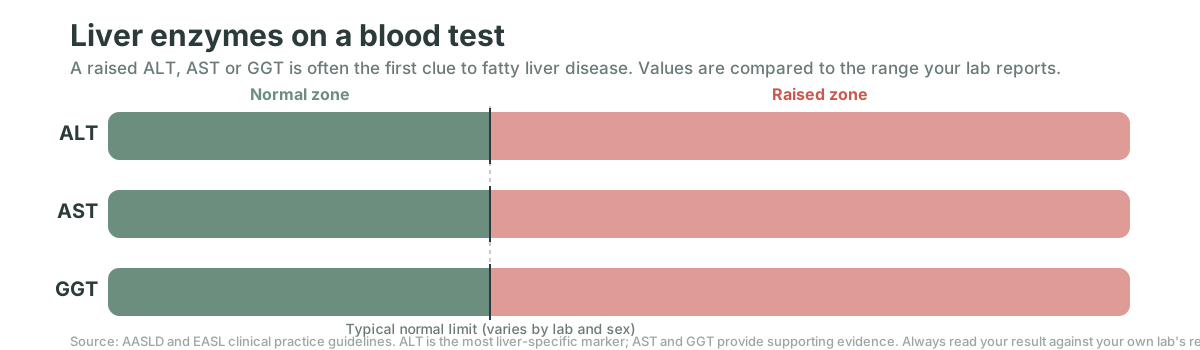
A raised liver enzyme result does not confirm fatty liver disease on its own. A clinician will want to rule out other causes, including viral hepatitis, alcohol use, and medication effects. If the pattern points toward a metabolic cause, an abdominal ultrasound is usually the next step. Ultrasound can show whether the liver appears brighter than normal on imaging, which is the classic sign of fat accumulation.
Normal enzymes do not rule it out
Liver enzymes can sit within the normal range even when fatty liver disease is present, particularly in early stages. If you have several metabolic risk factors but normal liver enzymes, that does not guarantee the liver is healthy. Share your full risk picture with a clinician, not just the individual result.
See which liver markers are included in a BetterHealth panel
Can fatty liver disease be reversed?
At the simple fat-accumulation stage, yes. The liver is one of the few organs with a meaningful capacity to regenerate, and accumulated fat can clear if the conditions that put it there change. Clinical trial evidence is consistent on what works:
- Lose weight if you are overweight. Losing 5 to 10 percent of body weight substantially reduces liver fat, according to EASL and AASLD clinical guidelines. Losing 10 percent or more can resolve liver inflammation in many people with NASH.
- Cut refined carbohydrates and added sugar. Soft drinks, processed foods, and high-sugar snacks are the main dietary drivers of the fat that accumulates in the liver.
- Follow a Mediterranean-style eating pattern. Vegetables, legumes, fish, olive oil, and wholegrains have the strongest evidence base for liver fat reduction in clinical trials.
- Exercise regularly. Both aerobic activity and resistance training reduce liver fat, and some of that benefit is independent of weight loss.
- Avoid alcohol while liver enzymes are raised, even if alcohol is not the primary cause.
- Manage the underlying metabolic conditions. Controlling blood sugar, blood pressure, and lipids reduces the liver's ongoing workload.
Once fatty liver progresses to fibrosis or cirrhosis, structural damage becomes much harder to reverse. People with simple fatty liver that is caught early and managed with lifestyle changes do not typically have their life expectancy affected. The risk rises with the stage of disease, which is why the early window, when enzymes are raised but the liver is not yet scarred, is the one that matters most.
When to see a doctor
Get a liver panel and discuss the result with a clinician if any of the following apply:
- A blood test has flagged a raised ALT, AST or GGT that has not been followed up
- You have two or more metabolic risk factors (overweight, high blood sugar, high blood pressure, high triglycerides) and have not had a liver function test in the past year
- You have persistent fatigue or upper-right abdominal discomfort without an obvious explanation
- You have a family history of liver disease or cirrhosis
Frequently asked questions
Is fatty liver disease serious?+
Simple fatty liver (steatosis without inflammation or scarring) is not immediately dangerous, and many people live with it for years without progression. The concern is that it can advance, silently, to an inflamed stage called NASH, then to fibrosis, and eventually to cirrhosis. Cirrhosis is serious and can lead to liver failure or liver cancer over time. People with simple fatty liver caught early and managed with lifestyle changes do not typically have their life expectancy significantly affected. The risk rises with the stage of disease, which is why finding it early matters.
Can fatty liver be reversed?+
Yes, at the early stages. Losing 5 to 10 percent of body weight, reducing refined carbohydrates and added sugar, exercising regularly, and avoiding alcohol gives the liver the conditions it needs to clear the accumulated fat. The earlier the change happens, the better the outlook. Advanced fibrosis or cirrhosis is much harder to reverse.
What tests show fatty liver disease?+
A liver function blood test, specifically ALT, AST and GGT, is usually the first indicator. Raised enzymes prompt an abdominal ultrasound, which can show whether the liver has the bright appearance associated with fat accumulation. More advanced imaging such as MRI or FibroScan, or a liver biopsy, is used in uncertain or complex cases.
Does fatty liver disease cause symptoms?+
Usually not, especially in the early stages. Most people find out they have fatty liver disease when a routine blood test returns with raised liver enzymes. If symptoms do appear, such as upper-right abdominal discomfort or unexplained fatigue, they typically indicate the liver is more significantly inflamed.
This article is general health education, not medical advice. It is not a substitute for diagnosis or treatment by a qualified healthcare professional. Always discuss your own results and risk factors with your doctor.