Fasting Blood Sugar: Normal Range and What Your Result Means
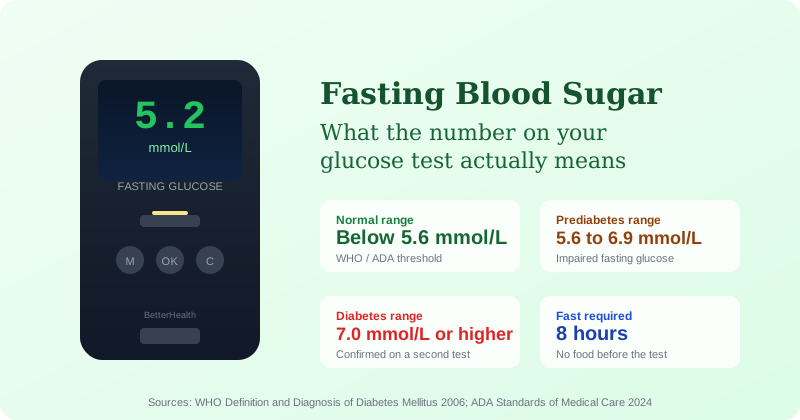
A fasting blood sugar test measures the glucose in your blood after you have gone without food for at least eight hours. It is one of the first tests a doctor orders when checking for diabetes or prediabetes, and it is included in most routine health panels in Ghana. The result is a single number in mmol/L, and knowing what that number means can tell you a lot about where your metabolic health stands.
What the fasting requirement means
For a fasting blood sugar test, you need to have eaten nothing for at least eight hours before blood is drawn. Water is fine to drink. Most people take the test first thing in the morning, before breakfast, which makes the eight-hour fast easy to fit around a normal schedule.
If you eat anything in the hours before the test, including fruit, juice, tea with sugar, or a small snack, the result will reflect that food rather than your baseline glucose level. That makes the result unreliable for diagnosis. If you break your fast by mistake, reschedule rather than guess at the interpretation.
What about morning medications?
Tell your doctor or lab which medications you take before the test. Some medicines, including steroids and some blood pressure drugs, can raise blood sugar readings. Your clinician may advise whether to hold them until after the test.
Fasting blood sugar normal ranges in mmol/L and mg/dL
The American Diabetes Association (ADA) and the World Health Organization (WHO) both define three fasting glucose bands. The diabetes threshold is the same in both guidelines; the main difference is where each places the normal-to-prediabetes boundary.
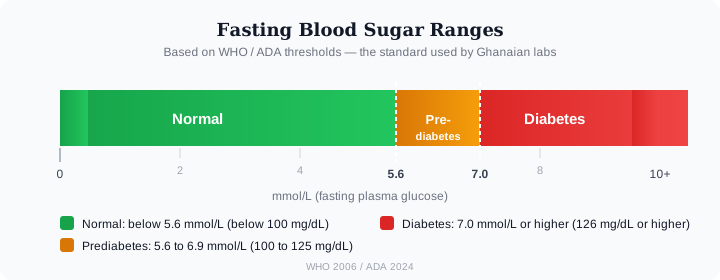
- Normal (ADA 2024): below 5.6 mmol/L (below 100 mg/dL)
- Normal (WHO 2006): below 6.1 mmol/L (below 110 mg/dL)
- Prediabetes (impaired fasting glucose): 5.6 to 6.9 mmol/L (100 to 125 mg/dL)
- Diabetes: 7.0 mmol/L or higher (126 mg/dL or higher), usually confirmed on a second test
Most Ghanaian private labs and hospitals use the ADA cut-off, which flags anything at or above 5.6 mmol/L as impaired fasting glucose. If your report does not state which guideline it follows, ask your doctor which threshold they applied.
What a high fasting blood sugar result means
A fasting glucose between 5.6 and 6.9 mmol/L is called impaired fasting glucose, or prediabetes. At this level your body is already struggling to keep blood sugar in check, but the result is not yet in the diabetes range. Prediabetes is a strong signal to act: research shows that diet changes, regular physical activity, and modest weight loss can bring the number back into the normal range before diabetes develops.
A fasting glucose of 7.0 mmol/L or higher on two separate tests is diagnostic for diabetes. One high result alone is not enough for a diagnosis, because stress, illness, or a medication can temporarily push glucose up. Your doctor will confirm the result with a repeat test, and may also order an HbA1c to cross-check it.
Learn what HbA1c measures and how it compares
What level of blood sugar is dangerous
Very low and very high blood sugar both require urgent attention. These are the thresholds to know:
- Below 3.9 mmol/L (70 mg/dL): hypoglycaemia. Symptoms include shaking, sweating, confusion and, in severe cases, loss of consciousness. People on insulin or certain diabetes tablets are most at risk.
- Above 10 mmol/L (180 mg/dL) on a non-fasting reading: consistently elevated; review with a clinician.
- Above 16 mmol/L (288 mg/dL): hyperglycaemic crisis territory. Go to a hospital if you have symptoms such as extreme thirst, vomiting, or altered consciousness.
A one-off high reading on a fasting test does not usually mean a crisis. But if your fasting glucose is persistently above 10 mmol/L, or if you feel unwell alongside a high reading, see a doctor the same day.
Fasting blood sugar vs random blood sugar test
A random blood sugar test is taken at any time of day, without fasting. It captures your glucose level right now, after whatever you last ate. The normal range for a random test is different: below 7.8 mmol/L (140 mg/dL) is generally considered normal for a non-diabetic adult. A random result of 11.1 mmol/L (200 mg/dL) or higher, combined with diabetes symptoms, is enough for a diagnosis.
Fasting tests are preferred for screening because they are less variable. What you ate hours ago does not affect the result, so two people tested on the same morning can be compared fairly. Random tests are useful when symptoms are present and a doctor needs a quick answer without waiting for a fasted appointment.
How fasting blood sugar compares to HbA1c
A fasting blood sugar test is a snapshot of one particular morning. HbA1c reflects your glucose over the past two to three months. Each test can catch something the other misses, which is why running them together gives the most complete picture.
Someone whose daily sugar spikes sharply after meals but drops back down overnight might have a normal fasting glucose but a raised HbA1c. The reverse is also possible. Running both tests together gives a fuller picture, which is why most comprehensive metabolic panels in Ghana include both.
There is a Ghana-specific caveat: HbA1c can read falsely high or low in people with haemoglobin variants, including sickle cell trait, which affects around one in four Ghanaians. When HbA1c is unreliable, fasting glucose becomes the primary test your doctor will rely on.
What to do with your fasting blood sugar result
- Write down the number and keep a record. Trends over months matter more than any single test.
- If your result is in the prediabetes range, speak to a doctor or dietitian about diet, activity and weight targets. Many people bring fasting glucose back to normal with consistent changes.
- If your result is 7.0 mmol/L or higher, do not wait. Book a follow-up test and a clinical review promptly. Early treatment protects your kidneys, eyes and heart.
- Pair your fasting glucose with an HbA1c and a lipid panel. High blood sugar rarely travels alone. Checking cholesterol and liver markers at the same time gives you the full picture.
- Retest on the schedule your clinician sets, usually every 6 to 12 months if normal, or more often if in the prediabetes range.
See the metabolic panel BetterHealth Africa offers
Fatty liver: another condition high blood sugar travels with
Frequently asked questions
What is a normal fasting blood sugar level?+
Below 5.6 mmol/L (100 mg/dL) is normal on the ADA scale; the WHO puts the upper limit of normal at 6.1 mmol/L (110 mg/dL). Most Ghanaian labs follow the ADA cut-off. Both guidelines agree that 7.0 mmol/L or higher on two tests is diabetes.
What fasting blood sugar level indicates diabetes?+
A fasting plasma glucose of 7.0 mmol/L (126 mg/dL) or above on two separate tests indicates diabetes, according to both WHO and ADA guidelines. One raised result is not a diagnosis on its own; a repeat test is needed to confirm.
Can I drink water before a fasting blood sugar test?+
Yes. Water does not affect blood glucose and you should drink normally before the test. Avoid coffee, tea, juice, and anything that contains sugar or calories for the full eight hours before blood is drawn.
What is the difference between fasting and random blood sugar?+
A fasting test is taken after at least 8 hours without food and reflects your baseline glucose. A random test is taken at any time and reflects recent eating. For screening and diagnosis, fasting tests are preferred because the result is less affected by what you ate that day.
How quickly can fasting blood sugar change?+
Fasting glucose can begin to shift within weeks to months in response to consistent dietary changes, increased physical activity, or weight loss, though results vary from person to person. HbA1c, which reflects the past two to three months, will take longer to show improvement. Running both tests together gives the clearest progress picture.
This article is general health education, not medical advice. It is not a substitute for diagnosis or treatment by a qualified healthcare professional. Always discuss your own results with your doctor or a registered clinician.